Cultural Tapestry of Farewell: Cultural Traditions and Social Fabrics of Indian Funeral Customs
Wiki Article
Across the vast and diverse landscape of India, traditions associated with honoring an individual's passing represent a profound expression of collective heritage. In every corner of the subcontinent, the rites dedicated to paying final respects combine artistic beauty, historical reverence, and communal harmony. Far from viewing departure with isolated sorrow, these customs serve as a vital cultural bridge, reinforcing family bonds, strengthening neighborhood networks, and preserving ancestral etiquette. The quiet period immediately after a farewell are observed with attentive care and respect. Loved ones lovingly execute time-honored home traditions preserved within family lines. The individual is adorned in clean, elegant garments that reflect regional dress customs. In many traditions, classic white attire is selected, reflecting social balance, harmony, and pristine beauty. In other regional communities, festive cultural cloths are selected to celebrate an elder's wisdom and societal contributions. Fragrant floral arrangements play an irreplaceable role in these preparations. Vibrant arrangements of native blossoms are presented by family members with deep affection. These colorful arrangements represent more than mere visual beauty; they highlight the continuous beauty of life and family devotion. Anointing with cooling sandalwood, pure rose oils, and herbal extracts further highlights the aesthetic elegance and loving care embedded within the home-based preparations. Among the most celebrated social features of these traditional farewells is the solemn walk of honor leading from the home toward nature's resting site. Known across various regions as a procession of honor, this communal journey turns family sorrow into a dignified public tribute. Community members, distant relatives, and lifelong friends assemble along the entry paths, wearing simple white traditional attire creating a peaceful, harmonious visual atmosphere. The individual is carried upon a gracefully constructed frame crafted from sturdy local bamboo, decorated with fresh foliage and bright flowers. As the walk progresses toward the resting destination, members of the community step forward to take turns carrying the frame upon their shoulders. This hands-on participation represents a meaningful tradition of fellowship, proving that grief is met with shared strength. In many regions, the gentle chiming of bells and melodic flutes guides the walkers, establishing a solemn and respectful mood that honors the individual's legacy within the public sphere. Rich regional contrasts show up distinctly in the local variations that mark each district's traditional customs. While core values of respect and community remain universal, the specific expressions vary dramatically from north to south, and east to west. Following the primary ceremonial rites, family life shifts into a structured phase of quiet reflection, typically lasting between ten and thirteen days. In this dedicated period, the household remains open as a hospitality space for guests arriving from nearby and far-off locations who arrive to offer support, food, and companionship. Serving visitors during these days is a cherished cultural duty. Simple, nutritious vegetarian meals are prepared daily in large quantities to serve all guests who arrive to honor the family. This practice of joint dining creates strong emotional bonds, helps visitors reflect on the individual's positive contributions, allowing the neighborhood to take care of all domestic chores for the family. The final day of the memorial period is celebrated with an extended neighborhood meal. Elders speak about the individual's life legacy and community service, preserving family heritage for children and grandchildren. Acts of charitable giving—including gifting garments to neighbors, funding local schools, or providing meals to the needy—are organized as a meaningful tribute, building a lasting legacy of kindness and civic care.
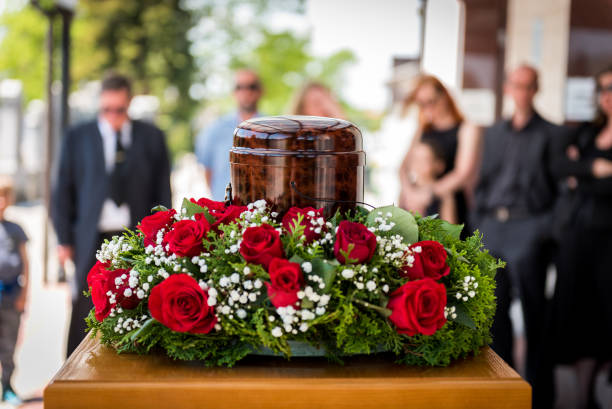
Kallahalli Crematorium Families across India handle these dignified moments through a harmonious mix of joint effort and refined etiquette. Whether in quiet country settlements or dense metropolitan districts, the collective gathering of relatives, neighbors, and friends serves as the primary pillar of support. These time-honored practices offer a meaningful space through which communities offer mutual support, demonstrate respect for elders, and celebrate the enduring influence of a person's life legacy.
Dignified Preparation and Family Care
Processions of Honor: Community Unity
Element
Material Used
Community Role
Clothing
Traditional White Attire
Symbolizes social equality, peace, and community unity.
Palanquin Frame
Woven Bamboo and Foliage
Reflects connection to nature and traditional craftsmanship.
Floral Adornments
Native Sweet Blossoms
Expresses high regard, warmth, and artistic beauty.
Natural Essences
Cooling Sandalwood and Rose Essence
Ensures sensory grace and natural care.
Regional Expressions of Honor
Repatriation Services in India No matter if the community practices gentle earthen burial or ceremonial fire rites, the emphasis stays firmly placed on cultural values of restoring balance with the surrounding natural world with complete respect for the earth and ancestral eco-friendly customs.
Hospitality, Remembrance, and Social Continuity
Summary: Timeless Values of Community Honor
Wilson Garden Electric Crematorium These subcontinental customs demonstrate a beautiful example in community togetherness, textile art, and social respect. By handling personal farewells with public grace and communal support, these traditions showcase the strength of human connection and collective support. With delicate floral craft, peaceful white processions, distinct regional arts, and open-door hosting, Indian culture honors the journey of the individual while building stronger, more united neighborhoods for the future.