Cultural Tapestry of Farewell: Cultural Traditions and Social Fabrics of Indian Funeral Customs
Wiki Article
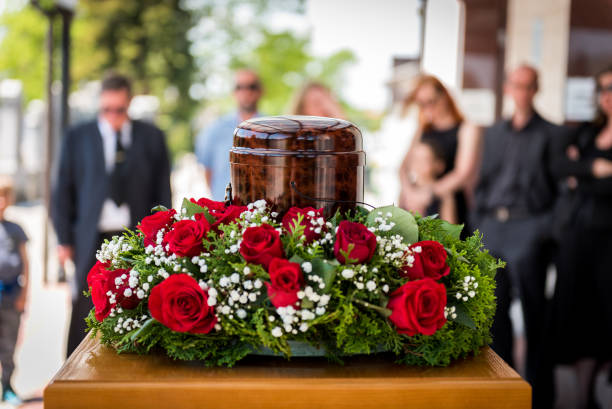
Across the vast and diverse landscape of India, traditions associated with honoring an individual's passing reflect a deep commitment to social solidarity. In every corner of the subcontinent, the traditions associated with honoring an individual's earthly chapter are rich with regional artistry, historical significance, and intricate social customs. Far from viewing departure with isolated sorrow, these practices establish a lasting connection, uniting relatives, honoring elders, and passing down timeless values. The immediate hours following a person's passing are observed with attentive care and respect. Family members gather to perform traditional preparation rituals preserved within family lines. The individual is wrapped in pristine ceremonial textiles representing local artistic styles. Simple white clothing remains the classic preference, reflecting social balance, harmony, and pristine beauty. Among various ethnic lineages, traditional textiles featuring intricate patterns or specific cultural colors are chosen to honor the individual's age, social role, or lineage. Flowers hold a deeply meaningful place throughout this artistic setup. Fresh garlands crafted from bright orange marigolds, sweet-scented jasmine, pristine lotus blossoms, and colorful roses are presented by family members with deep affection. This floral art serves a profound purpose; they express the collective affection and high esteem of the community. The gentle application of aromatic sandalwood paste, natural rosewater, and traditional herbal essences further highlights the aesthetic elegance and loving care embedded within the home-based preparations. One of the most visually striking and culturally significant aspects in regional subcontinental customs is the ceremonial procession leading from the home toward nature's resting site. Known across various regions as a procession of honor, this communal journey transforms private grief into a shared community event. Fellow villagers and urban neighbors join together in front of the family home, dressed in modest, unadorned traditional white clothing creating a peaceful, harmonious visual atmosphere. The individual is carried upon a gracefully constructed frame crafted from sturdy local bamboo, decorated with fresh foliage and bright flowers. While the gatherers walk along the neighborhood paths, neighbors exchange places to help carry the bamboo litter. This physical act of sharing the weight is a profound gesture of fellowship, proving that grief is met with shared strength. Across numerous localities, the gentle chiming of bells and melodic flutes guides the walkers, establishing a solemn and respectful mood that announces the passing of a respected community member to the surrounding neighborhood. India's immense cultural diversity manifests clearly within the distinct farewell practices found across states and communities. While core values of respect and community remain universal, the outward ceremonial forms adapt uniquely from north to south, and east to west. Following the primary ceremonial rites, Indian cultural heritage dictates a structured period of home-based remembrance, generally spanning ten to thirteen days. During this timeframe, the family home becomes an open sanctuary for neighbors, extended family lines, and well-wishers who arrive to offer support, food, and companionship. Hospitality during this period is a vital cultural requirement. Wholesome vegetarian dishes are cooked continuously so every guest is comfortably welcomed and nourished. This practice of joint dining creates strong emotional bonds, provides an opportunity to recount cherished personal stories, allowing the neighborhood to take care of all domestic chores for the family. The conclusion of the primary formal gathering period is marked by a large-scale community feast and memorial gathering. Senior relatives recount the person's life history, good deeds, and values, preserving family heritage for children and grandchildren. Generous community donations—such as donating clothing to community members, distributing food to those in need, or supporting local educational initiatives—are carried out to celebrate the person's legacy, reinforcing the value of community service and social responsibility.
Peenya Crematorium Traditional communities in India meet this final transition with a unique blend of communal togetherness and structured ritualism. From the vibrant rural villages to the bustling urban centers, the collective gathering of relatives, neighbors, and friends forms the cornerstone of every ceremonial proceeding. These observances provide a structured cultural framework through which communities offer mutual support, demonstrate respect for elders, and celebrate the enduring influence of a person's life legacy.
Dignified Preparation and Family Care
The Solemn Procession: A Walk of Shared Respect
Element
Material Used
Community Role
Dress Code
Traditional White Attire
Reflects modest dignity and visual harmony.
Carrying Litter
Natural Bamboo and Rattan
Shows natural elegance and traditional utility.
Floral Adornments
Native Sweet Blossoms
Expresses high regard, warmth, and artistic beauty.
Herbal Preparations
Herbal Extracts and Rose Oils
Provides sensory elegance and traditional purification.
Regional Variations and Cultural Diversity
Dead Body Transportation in Kolkata Whether the final resting customs involve traditional earthen burials or ceremonial fire arrangements, the focus remains steadfastly on the cultural heritage of restoring balance with the surrounding natural world with complete respect for the earth and ancestral eco-friendly customs.
Hospitality, Remembrance, and Social Continuity
Conclusion: An Enduring Legacy of Respect
Hindu Burial Ground Adityanagra These subcontinental customs demonstrate a beautiful example of social values, artistic traditions, and profound community solidarity. By transforming a moment of farewell into a dignified celebration of cultural heritage, these practices highlight the power of family bonds and social networks. Through beautiful floral arrangements, white-clad processions, regional artistry, and generous hospitality, communities across India pay magnificent tribute to their elders while fortifying the enduring bonds of the community for generations to come.